Skip to content

Backstage Blueprint

Peter Tosh
IDENTITY • CONVICTION • LEGACY 

Meet Peter Tosh

The Strength of Identity Without Compromise
Meet tosh

Peter Tosh's story is one of identity becoming inseparable from principle.

Born Winston Hubert McIntosh in Westmoreland, Jamaica, Peter Tosh emerged as a founding member of the Wailers before establishing a solo career with a voice, image, and message unmistakably his own. Reggae, Rastafari, African consciousness, social justice, and resistance to oppression did not sit beside his artistry as separate interests. They moved through it.

Songs such as Legalize It and Equal Rights made his convictions impossible to separate from his public identity. His language could be sharp. His presence could be confrontational. His positions were not designed to make him universally comfortable or commercially convenient. Recognition came not from smoothing those edges, but from carrying the same center through the music, interviews, performances, imagery, and public life.

That consistency is what makes Tosh especially important to Branding & Storytelling. Branding is often discussed as something an artist creates around the work—a look, message, voice, or public image. Tosh offers another possibility. When identity is deeply understood, the brand does not need to be manufactured. It becomes the visible expression of what the artist already stands for.

That did not mean refusing growth or opportunity. Tosh's career moved from the Wailers to solo work, across international stages, major-label relationships, collaborations, and changing audiences. The circumstances expanded, but the underlying identity remained recognizable. The platform changed. The principle did not.

His legacy makes that lesson even clearer. Decades after his death, Peter Tosh remains associated not only with particular songs or an era of reggae, but with ideas: equal rights, justice, African identity, Rastafari, legalization, self-determination, and resistance to oppression. The person is gone, yet what his name carries remains remarkably defined.

For Backstage Blueprint, Peter Tosh closes Book One with an essential branding question: If the trends disappeared, the platforms changed, and the audience grew beyond anything you imagined, would people still know what your name stands for?

What We're Learning From Peter Tosh


Identity Without Compromise


Authenticity creates recognition. Alignment gives it strength. Principle gives it staying power.

 
Claim the voice

Claim the Voice

Know what you stand for.
 
A recognizable identity begins before logos, promotion, or visibility. Peter Tosh's music grew from convictions, cultural grounding, Rastafari, and a distinct way of seeing the world. When the artist knows what the voice carries, the audience has something real to recognize.
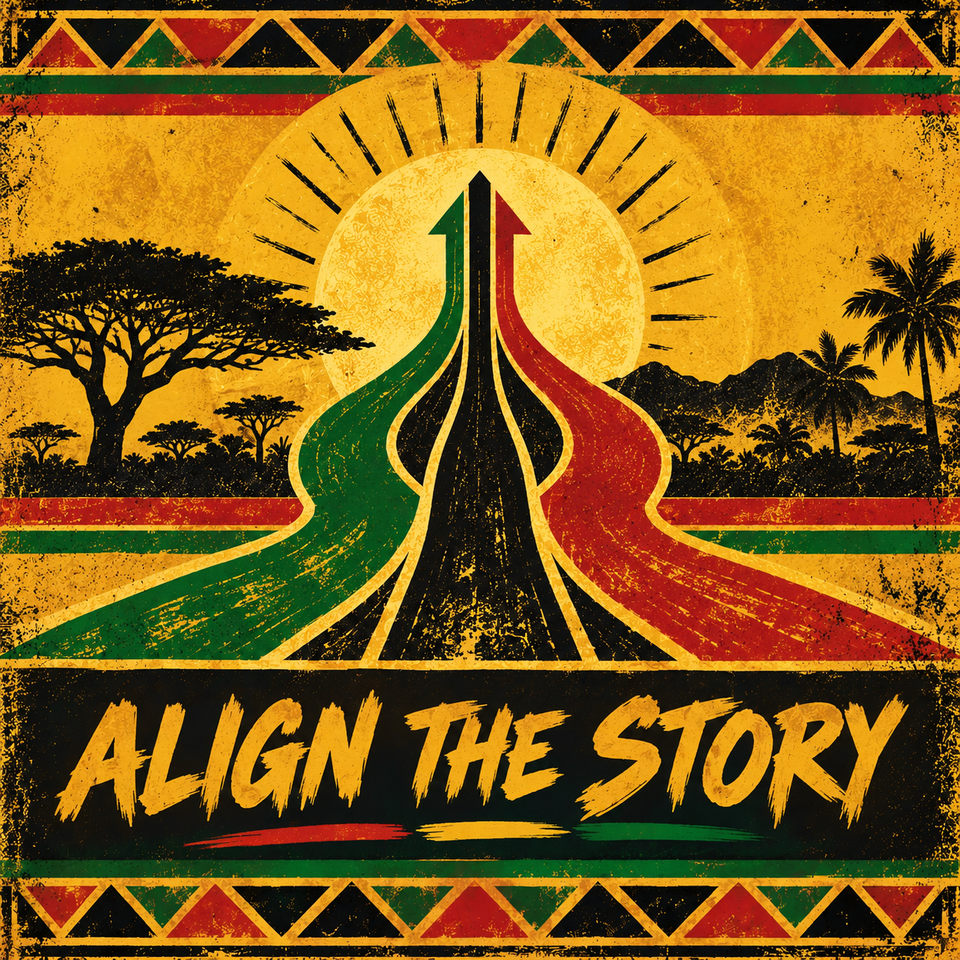
Align the story

Align the Story

Let every expression come from the same center.
 
Music, language, appearance, interviews, performance, and public positions do not have to look identical to tell the same story. Tosh demonstrates how different expressions can reinforce one another when they originate from a coherent identity. Consistency is strongest when it grows from alignment rather than repetition for repetition's sake.
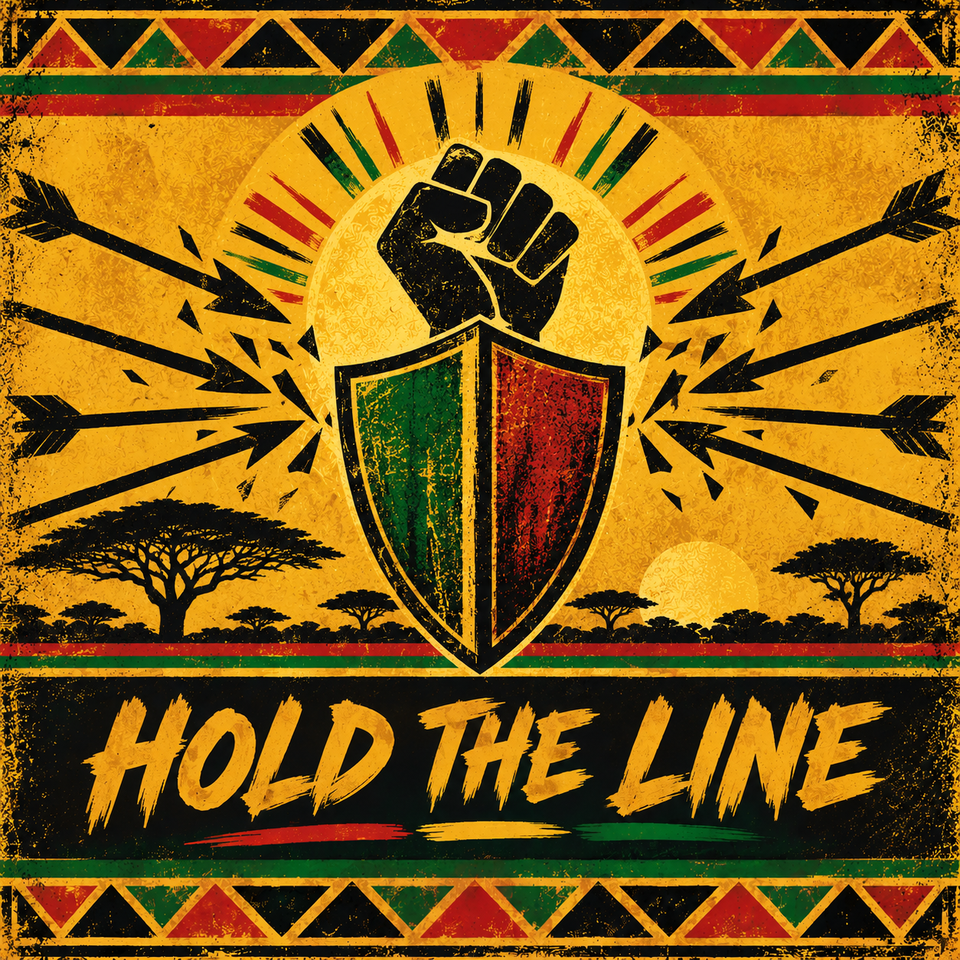
Hold the line

Hold the Line

Visibility should not require becoming someone else.
 
Growth introduces pressure: broader audiences, industry expectations, commercial opportunity, criticism, and changing cultural environments. A strong brand knows what can adapt and what should remain protected. Recognition deepens when expansion does not erase the qualities that made the artist distinct.
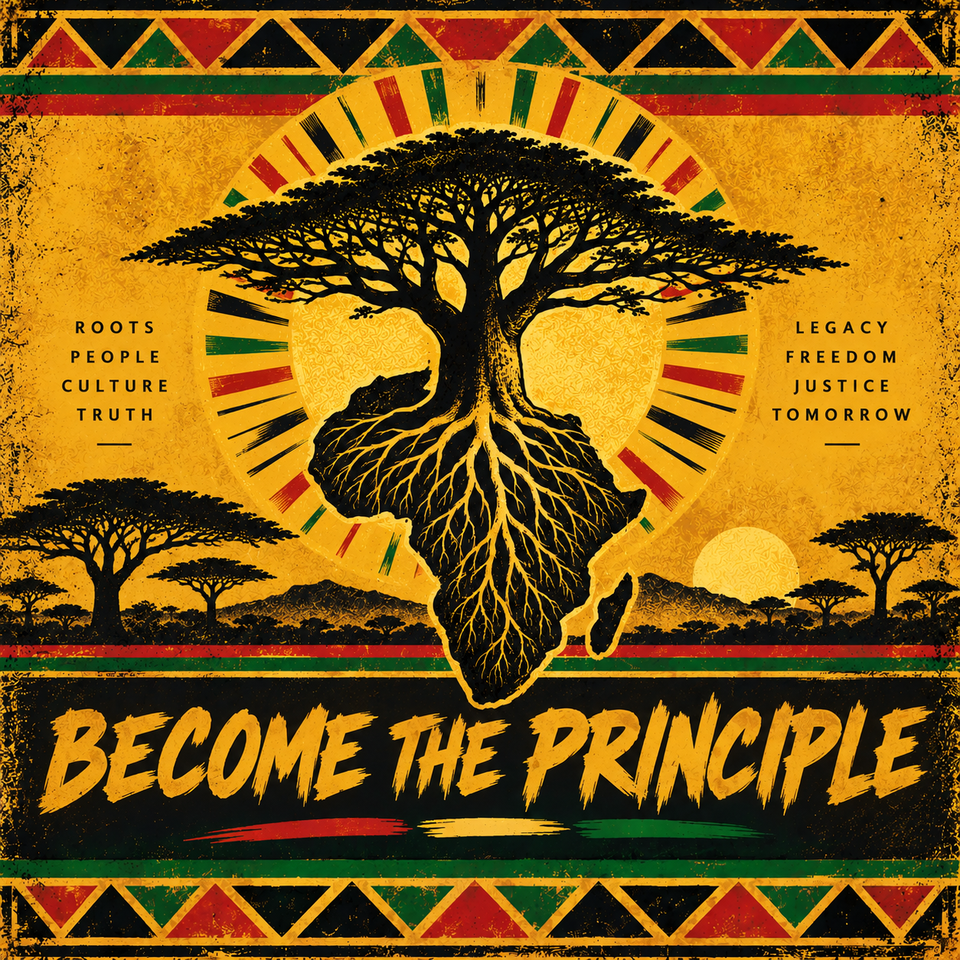
Become the principle

Become the Principle

Build a name that carries meaning.

At its deepest level, branding moves beyond appearance and recognition. An artist's name begins to represent values, expectations, and a particular way of moving through the world. When identity, message, and action remain aligned long enough, the brand stops feeling constructed. It becomes associated with what the artist stands for.
Tosh divider

Experience Peter Tosh

Watch Identity Become Principle


Across decades, stages, interviews, and songs, the center remains unmistakable.

Peter Tosh, Atlanta 1983 — The Voice Behind the Identity

Self-Definition Before Interpretation

Before watching what Peter stood for onstage, listen to how he defined himself offstage.

In this 1983 Atlanta interview with Thom West, Peter Tosh speaks from inside an identity already firmly established. The conversation moves through music, Rastafari, the record industry, Johnny B. Goode, and the forces surrounding his work. What matters for this lesson is not simply what he discusses, but how consistently his perspective remains his own.

Even when the conversation turns toward commercial decisions and outside expectations, Tosh does not separate the business of music from the identity of the artist making it. His humor, language, cultural grounding, convictions, and resistance to being defined by someone else's expectations remain present in the conversation.

That is an important distinction for artists studying branding.
Authenticity is not something added to a public image to make it feel believable. It begins with knowing your own voice well enough that the person speaking in an interview, the artist making the music, and the identity audiences encounter all come from the same center.

As you watch, listen beyond the answers themselves. Notice the language Tosh chooses, the ideas he returns to, and the boundaries he maintains. Before the brand becomes recognizable to an audience, the artist has to recognize himself.

Look for: self-definition • voice • cultural grounding • conviction • consistency
 

Legalize It — When the Message Takes the Stage

Conviction Becomes Public Presence

When the message is part of the identity, performance becomes more than promotion.

At Jamaica's 1978 One Love Peace Concert, Peter Tosh did not leave his convictions backstage. With national political leaders in attendance, he used his performance to address marijuana legalization, inequality, police treatment, and the conditions facing poor Jamaicans. Legalize It therefore arrived in a setting where the song's message and Tosh's public position were impossible to separate.

For artists studying branding, that alignment matters. Tosh was not performing one identity through the music and presenting another when the stakes became higher.
The song, the artist, the public position, and the moment all came from the same center. Visibility did not soften the message; it gave Tosh a larger place from which to express it.

This is where authenticity becomes more demanding than consistency of appearance. A recognizable brand can be built through repeated colors, imagery, language, and sound.
A principled identity asks whether what you say you stand for remains visible when saying it carries consequence. Tosh's performance offers an unusually vivid example of that distinction.

As you watch, notice more than the song. Watch how Tosh occupies the stage, addresses the moment, and connects performance with public conviction.
The message is not an accessory to the artist. It is part of the artist audiences came to recognize.

Look for: conviction • message alignment • public identity • visibility • principle
 

Berkeley 1983 — When the Artist and the Message Are One
Read long enough and the distinction between Peter Tosh the artist and Peter Tosh the man begins to disappear.


In this 1983 interview conducted during the Mama Africa tour, Peter Tosh speaks with unusual directness about music, commercial success, the record industry, Rastafari, touring, Africa, justice, and his purpose as an artist. Different questions lead into different subjects, yet the same worldview repeatedly surfaces.

Tosh does not pretend commercial considerations are irrelevant. Asked why he recorded Johnny B. Goode, he openly acknowledges the desire for broader commercial reach. Yet when discussing music more broadly, he describes reggae as something that must be lived, not merely performed. He also speaks critically about record-company promotion and exploitation while explaining that touring allows him to reach people directly.

Then the interviewer asks a remarkably simple question:


What is your goal?

Tosh's answer reduces much of the surrounding complexity to a single purpose: “To promote equal rights and justice for every man.”

For artists studying branding, that consistency is the lesson. Commercial decisions can change. Songs can cross markets. Audiences can expand. Business relationships can become complicated.
Authenticity does not require pretending those realities don't exist. It requires knowing what remains non-negotiable while moving through them.

As you read, notice how often Tosh returns to the same center even when the subject changes. The language may shift from music to business to spirituality to politics, but the identity underneath it remains recognizable.


Look for: purpose • self-definition • commercial awareness • cultural grounding • principle
 
Read the Berkeley Interview
Tosh article

African — When Identity Reaches Beyond Borders

Cultural Identity Becomes Collective Identity

A voice becomes more powerful when it knows where it comes from—and what it connects to.

In this live performance of African, Peter Tosh carries identity beyond nationality. The song reaches across Jamaica, the Caribbean, Europe, North America, differences in complexion, and religious denomination to assert a shared African identity among Black people across the diaspora. The message is expansive, but its center is unmistakable: geography may separate people; cultural identity can reconnect them.

That makes African especially important to this lesson. Tosh's Afrocentric identity was not confined to album artwork, clothing, interviews, or symbolism. It lived inside the music itself. Scholarship examining Mama Africa has similarly noted how sound, imagery, color, language, and symbolism worked together to communicate the importance of Africa within Tosh's artistic identity.

For artists studying branding, this is
alignment at cultural scale. Tosh did not borrow African consciousness as an aesthetic layer placed over the work. The music, language, worldview, visual identity, and public presence repeatedly returned to the same cultural center. That consistency made the symbolism recognizable because the meaning beneath it was already present.

As you watch, notice how Tosh turns a declaration of identity into an invitation toward collective recognition.
Authenticity begins with knowing who you are—but a deeply rooted identity can also help people recognize something of themselves within the work.

Look for: cultural identity • African consciousness • belonging • alignment • collective recognition


Peter Tosh Town — When Identity Becomes Legacy

What Remains When the Artist Is Gone

A lasting identity does more than survive memory. It continues giving people something to carry forward.

Released in 2025, Peter Tosh Town: Origin of a Rebel Wailer returns to the places, people, experiences, and convictions that shaped Peter Tosh—from his roots in Belmont, Westmoreland, through his development as an artist, activist, and international reggae figure. The story is told decades after his death, yet the ideas associated with his name remain remarkably recognizable: justice, equality, African consciousness, Rastafari, resistance, and liberation.

That makes this documentary an important final piece for a lesson about branding. We began by asking what happens when an artist knows what his name carries. Here, we see what happens when that meaning survives the person himself
. The music remains, but so does the definition.

And Tosh's legacy is not being preserved only through archives and remembrance. The Peter Tosh Foundation connects his name and principles to present-day work in education, youth empowerment, sustainable community development, cultural preservation, equal-rights advocacy, and continued cannabis reform. Through the Peter Tosh Town initiative, those ideas are being carried back into the Belmont-Bluefields community from which his story emerged.

For artists, that is the final distinction between visibility and legacy
.
Visibility means people recognize your name while you are present. Legacy means the name continues to carry meaning when you are no longer there to explain it.

As you watch, notice what has survived across time—and ask what made it durable enough to remain recognizable.

Look for: legacy • cultural memory • community • continuity • meaning

* 
Part of the four-part Peter Tosh Town: Origin of a Rebel Wailer documentary series, released in 2025.

Follow Peter Tosh's Legacy

Explore the music, history, and platforms that continue to carry his work and message forward.


Follow the legacy. Notice what remains unmistakable.
 

Official Website

Instagram

Facebook


X


YouTube


Reggaeville


Spotify


Apple Music


Amazon Music

 
Return to Spotlight Hub

Take the Lesson Further

Closing Reflection: From Identity to Opportunity


Carry the foundation forward.

 
Peter Tosh closes The Art of Music Business (Reggae Edition): Book One — Branding & Storytelling with a lesson in definition. Across music, interviews, performance, imagery, and public conviction, his identity remained recognizable because the message beneath it remained clear.

Throughout Book One, artists have explored identity, story, community, ownership, marketing, and digital momentum. The Closing Reflection brings those lessons together and asks a different question: when opportunity arrives, what parts of yourself and your work are defined strongly enough to travel with you? The workbook itself makes this transition explicit: opportunity expands what already exists.

Through Peter Tosh, the reflection examines what happens when identity becomes more than presentation. Authenticity is not something added to make a brand believable. It is the alignment between what you believe, what you communicate, how you move, and what you are unwilling to trade simply for approval.

The goal is not rigidity. Artists will change, audiences will grow, opportunities will appear, and careers will move into unfamiliar rooms. The work is learning to recognize what can evolve without losing the center that makes the work yours.


If opportunity opened the door tomorrow, would your identity be defined enough to decide what enters the room?

 
Proceeds from The Art of Music Business support Backstage Blueprint's mission and artist-education work.
Get the Book


PDF
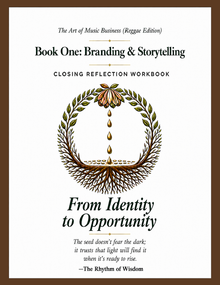
From Identity to Opportunity — Closing Reflection Workbook

A companion workbook to The Art of Music Business (Reggae Edition): Book One — Branding & Storytelling, this guided Closing Reflection helps artists bring the lessons of Book One together and examine what remains true as visibility becomes opportunity.

Inspired by Peter Tosh's clarity, conviction, and consistency across decades of change, the workbook explores how identity, message, presence, and action can remain aligned without becoming rigid or performative. Its central idea is beautifully simple in the workbook itself:
“This workbook is not about becoming more visible. It is about becoming more defined.”

From Identity to Opportunity asks artists to look inward before moving forward—recognizing where identity remains clear, where approval begins to soften the message, and what they want their name to carry permanently.

Download "WB 9 Close w title fillable.pdf"

Inside, artists will:


  • Examine what remains consistent across their identity, message, and presence
  • Explore the visual and creative signals that reinforce what they stand for
  • Identify where approval or marketability may be softening their voice
  • Reflect on what they are unwilling to compromise as opportunity grows
  • Clarify what they want their name and work to carry forward
  • Connect identity, message, visibility, and action before entering the next stage of growth
 
Featuring Peter Tosh research, reflective journaling, identity observation, and self-definition exercises, this workbook helps artists recognize the difference between simply becoming more visible and becoming more clearly defined.
​​​​​​​
Designed as the closing reflection for Book One, it helps artists carry the foundation of Branding & Storytelling forward with greater clarity—because opportunity may open the door, but identity decides what enters the room.
Explore All Workbooks Back to Spotlight Hub